
Vivix NZ: The Real Science of Polyphenols & Cellular Ageing
Resveratrol, sirtuins, the “hallmarks of ageing” and one very unusual grape — here is what cellular-ageing science actually says, and where Shaklee’s Vivix fits in.
Longevity has quietly become the most exciting field in all of biology. Not “living forever” — that is still firmly science fiction — but healthspan: the number of years you stay strong, sharp and well. The conversation has moved from face creams and crash diets to something far more interesting: what is happening inside your cells, and whether we can nudge it.
That is exactly the territory Shaklee Vivix plays in. It is a concentrated polyphenol supplement built around an unusually polyphenol-rich grape, and it is marketed squarely at cellular ageing. But marketing is marketing. This article is the science-first version: what polyphenols genuinely do, what resveratrol can and cannot claim, what the honest evidence looks like in 2026, and how to think clearly about a product like Vivix — hype stripped out.
Why your cells start ageing faster after 35
Every cell in your body runs on a constant low hum of chemistry, and a by-product of that chemistry is oxidative stress — reactive molecules (free radicals) that nick away at your DNA, proteins and the membranes of your cells. When you are young, your built-in antioxidant defences keep this in balance. The problem is that from roughly your mid-30s onward, those natural defences gradually wind down, while the damage keeps coming.
Layer on modern life — processed food, broken sleep, chronic stress, too little movement — and the balance tips further. Over years and decades, that accumulating cellular wear-and-tear is a big part of what we experience as ageing: less energy, slower recovery, stiffer joints, duller skin. The longevity field’s core idea is simple but powerful: if ageing has identifiable cellular mechanisms, then supporting those mechanisms might help you age more slowly and stay well for longer.
The 12 “hallmarks of ageing” (the map scientists actually use)
In 2023, a landmark paper by Carlos López-Otín and colleagues updated the field’s working framework to twelve hallmarks of ageing — the interconnected biological processes that drive how we age. They are worth knowing, because this is the map serious longevity research navigates by:
Genomic instability
Accumulating damage to your DNA over time.
Telomere attrition
The protective caps on your chromosomes shortening with each cell division.
Epigenetic alterations
Changes in how genes are switched on and off as you age.
Loss of proteostasis
The cell’s quality-control for proteins breaking down.
Disabled autophagy
The cellular “clean-up and recycle” system slowing.
Deregulated nutrient-sensing
The pathways that read energy status (where sirtuins and AMPK live) drifting out of tune.
Mitochondrial dysfunction
Your cellular “power plants” producing less energy and more free radicals.
Cellular senescence
“Zombie” cells that stop dividing but linger and inflame nearby tissue.
Stem cell exhaustion
A declining ability to regenerate and repair tissue.
Altered intercellular communication
Cells “talking” to each other less effectively.
Chronic inflammation
Persistent low-grade inflammation — sometimes nicknamed “inflammaging.”
Dysbiosis
An ageing, less-balanced gut microbiome.
Here is the genuinely interesting part for our purposes: a growing body of research shows that dietary polyphenols can influence several of these hallmarks at once — particularly mitochondrial function, cellular senescence, nutrient-sensing pathways and chronic inflammation. That is why polyphenols, not any single vitamin, have become one of the hottest topics in geroscience.
What are polyphenols — and why they are having a moment
Polyphenols are a huge family of natural compounds (over 8,000 of them) found in colourful plant foods: berries, grapes, green tea, cocoa, olive oil, red wine, herbs and spices. They are essentially a plant’s own defence chemistry — and when we eat them, many of those protective properties carry over to us.
Their headline trick is antioxidant activity: mopping up free radicals. But the more exciting modern understanding is that polyphenols also act as signalling molecules. Rather than just neutralising damage, they switch on the body’s own protective and repair pathways — nudging cells to clean house (autophagy), build new mitochondria, and dial down inflammation. Reviews of the science describe polyphenols modulating multiple hallmarks of ageing simultaneously, which is exactly why they keep appearing in longevity research.
Resveratrol, sirtuins and the “calorie-restriction mimic” idea
The most famous polyphenol of all is resveratrol — the compound in red grape skins behind the “red wine is good for you” headlines. Its fame comes from a tantalising line of research into sirtuins (especially SIRT1), a family of enzymes that act as cellular “longevity switches,” and AMPK, an energy-sensing enzyme.
Severe calorie restriction is one of the few things repeatedly shown to extend lifespan in laboratory animals, and it appears to work partly by activating these same pathways. Resveratrol activates SIRT1 and AMPK too — which is why it became known as a possible “calorie-restriction mimetic”: a compound that might switch on some of the benefits of fasting without the fasting. In yeast, worms and flies, resveratrol has extended lifespan. A 2024 review and a 2025 dose-response meta-analysis of human trials confirm that resveratrol can measurably influence SIRT1 in people.
Where Vivix fits: the muscadine-grape difference
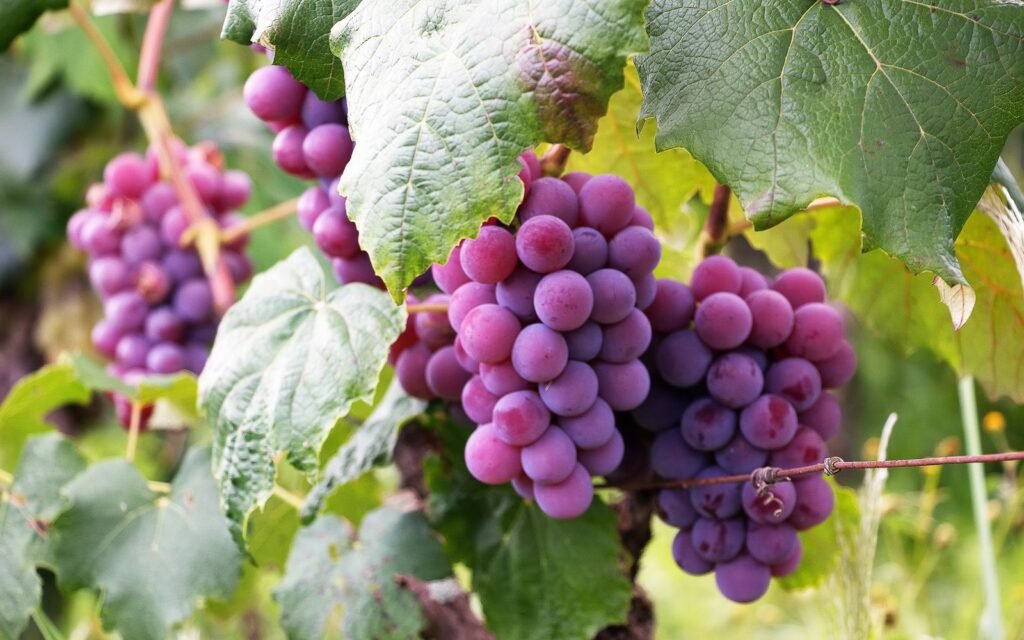
This is where Vivix gets interesting, because Shaklee’s whole pitch is essentially an answer to resveratrol’s weaknesses. Instead of relying on resveratrol alone, Vivix is built around the muscadine grape (Vitis rotundifolia) — a thick-skinned grape native to the southeastern United States that is genuinely unusual. Most grapes have 38 chromosomes; the muscadine carries an extra pair, at 40. Its tough skin, evolved to survive a harsh, humid climate, is extraordinarily rich in polyphenols, including ellagitannins not found in ordinary grapes.
Vivix’s proprietary Rejuvetrol® Plus Blend combines muscadine grape concentrate with red wine extract, purple carrot, black currant, pomegranate and chebulic myrobalan, alongside trans-resveratrol. Shaklee reports that, in its laboratory comparisons, this blend is 13 times more potent than resveratrol alone at slowing the formation of damaging AGE proteins (more on those below), and the formula is backed by what the company describes as 27 global patents.
How Vivix is designed to work (four angles)
Shaklee frames Vivix as supporting healthy ageing through four mechanisms, each of which maps neatly onto the hallmarks of ageing above:
1. Protecting DNA integrity
Polyphenols help defend DNA against oxidative damage — addressing the “genomic instability” hallmark.
2. Supporting mitochondria
Polyphenols are shown in research to support mitochondrial function and biogenesis — the cellular energy angle.
3. Slowing AGE formation
Targeting advanced glycation end-products — the “sticky” sugar-damaged proteins that stiffen tissues with age.
4. Calming oxidative stress
Bolstering antioxidant defences as your own production naturally declines after the mid-30s.
A quick word on AGEs
Advanced glycation end-products (AGEs) form when sugars bind to proteins — think of it as your tissues slowly “caramelising.” They accumulate with age and with high-sugar, high-heat diets, and they contribute to stiff blood vessels, wrinkled skin and creaky joints. Curbing AGE formation is a legitimate anti-ageing target, and it is the specific mechanism Shaklee leans on most heavily for Vivix.
What the science honestly says
Let us be a credible friend rather than a salesperson for a moment. The state of play, fairly summarised:
- Strong: Polyphenols, eaten regularly, are associated with better health and healthier ageing. The mechanistic science — antioxidant action, sirtuin and AMPK signalling, mitochondrial support, reduced inflammation — is robust and well-documented.
- Promising but unsettled: Concentrated polyphenol and resveratrol supplements show real effects on biomarkers in human trials, but results vary by dose, formula and population, and long-term outcome data is still being gathered.
- Not established: That any supplement — Vivix included — measurably extends human lifespan, reverses ageing, or replaces a healthy lifestyle. Anyone claiming that is ahead of the evidence.
So the sensible framing for Vivix is this: a concentrated, well-formulated source of potent polyphenols that supports mechanisms genuinely involved in cellular ageing — best thought of as an insurance policy and an amplifier on top of good habits, not a magic bullet.
How to take it, and what to realistically expect
Vivix is a liquid: one teaspoon (5 mL) daily, with 30 servings per bottle. It is vegan-friendly and gluten-free, and should be refrigerated after opening (those delicate polyphenols oxidise once exposed to air, just like a cut apple browning). Many people take it alongside breakfast.
On expectations: this is a long-game product. Cellular support is not something you “feel” like a caffeine hit. Some users report better day-to-day energy within a few weeks; the real value is the cumulative, behind-the-scenes support over months and years. Consistency beats intensity every time — a teaspoon you actually take daily is worth more than a heroic dose you abandon.
Who gets the most from it — and how to stack it
Vivix tends to suit people in their late 30s and beyond who already eat reasonably well and want to add targeted cellular support, as well as anyone whose diet is light on deeply-coloured plant foods. It also pairs logically with the rest of a foundational routine:
+ A daily multivitamin
Cover the basics first. Shaklee’s Daily Multi fills everyday nutrient gaps so Vivix can do its specialist job.
+ Omega-3
For the anti-inflammatory and membrane side of ageing, EFA Krill omega-3 complements polyphenols nicely.
+ Collagen
For skin and joints specifically, many pair Vivix with Liquid BioCell collagen — we cover that science in depth separately.
+ Protein
Muscle is a longevity organ. A quality shake like Shaklee Life Shake supports the “stay strong as you age” piece.
Safety, interactions and who should check first
Polyphenol supplements are generally well tolerated, but a few sensible cautions apply. Because resveratrol and related polyphenols can have a mild effect on platelets, anyone on blood-thinning or antiplatelet medication should speak to their doctor first, as should anyone pregnant or breastfeeding, taking regular medication, or managing a health condition. As with any supplement, introduce it on its own so you can notice how you respond.
Try Vivix for yourself
Concentrated muscadine-grape polyphenols, made in line with Shaklee’s testing standards — with the perks below.
Shop Shaklee Vivix NZ →15% off Shaklee NZ · Free shipping over $210 · Shipped from Auckland · 100% money-back guarantee
Vivix & polyphenols FAQ
What is Vivix, in plain English?
A concentrated liquid polyphenol supplement built around muscadine-grape extract, designed to support cellular health and healthy ageing. You take one teaspoon a day.
Is Vivix just expensive resveratrol?
No. Resveratrol is one ingredient, but Vivix’s blend is built around muscadine-grape polyphenols (including ellagitannins resveratrol lacks), which Shaklee positions as far more potent than resveratrol on its own.
Does Vivix actually slow ageing?
It supports several biological mechanisms involved in cellular ageing, and polyphenol science behind those mechanisms is strong. But no supplement is proven to extend human lifespan, and Vivix should support — not replace — a healthy lifestyle.
How long until I notice anything?
It is a long-game product. Some report better energy within weeks; the main value is cumulative support over months. Consistency matters more than dose.
How do I take and store it?
One teaspoon (5 mL) daily, often with breakfast. Refrigerate after opening to protect the polyphenols from oxidising.
Is it vegan and gluten-free?
Yes — Vivix is vegan-friendly and gluten-free.
Can I take Vivix with other supplements?
Generally yes; it pairs well with a multivitamin, omega-3, collagen and protein. If you take medication — especially blood thinners — check with your doctor first.
References & further reading
- López-Otín C, et al. Hallmarks of aging: an expanding universe. Cell. 2023;186(2):243-278.
- Rogina B, Tissenbaum HA. SIRT1, resveratrol and aging. Front Genet. 2024. doi:10.3389/fgene.2024.1393181.
- Impact of resveratrol supplementation on human Sirtuin 1: a GRADE-assessed systematic review and dose-response meta-analysis of RCTs. 2025. doi:10.1016/j.advnut.2025.100395.
- Dietary polyphenols as anti-aging agents: targeting the hallmarks of aging. 2024. PMCID: PMC11478989.
- Polyphenol-based therapeutic strategies for mitochondrial dysfunction in aging. Biomolecules. 2025. PMCID: PMC12384147.
- Interplay between polyphenols and autophagy: insights from an aging perspective. Front Biosci (Landmark). 2025. doi:10.31083/FBL25728.
- Sirtuins, resveratrol and the intertwining cellular pathways connecting them. Ageing Res Rev. 2023. doi:10.1016/j.arr.2023.101958.
Disclaimer: This article is general educational information about polyphenol and cellular-ageing science and is not medical advice. Vivix is a dietary supplement and is not intended to diagnose, treat, cure or prevent any disease. Specific potency and patent claims referenced are made by Shaklee. Always consult a qualified healthcare professional before starting any new supplement, particularly if you are pregnant, breastfeeding, taking medication or managing a health condition.